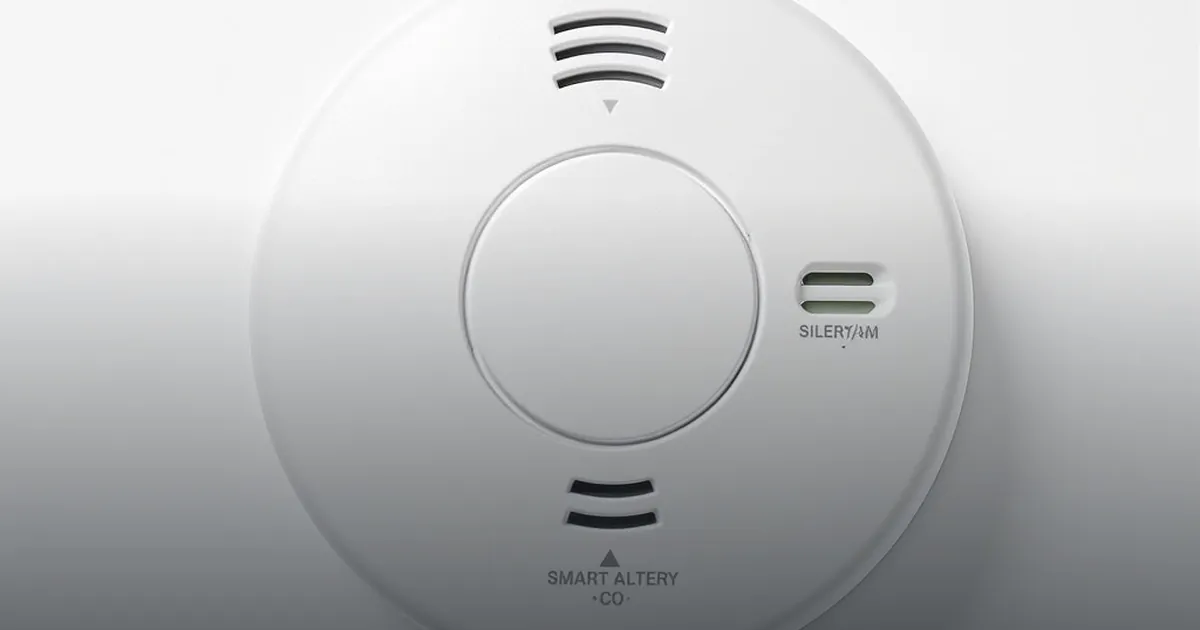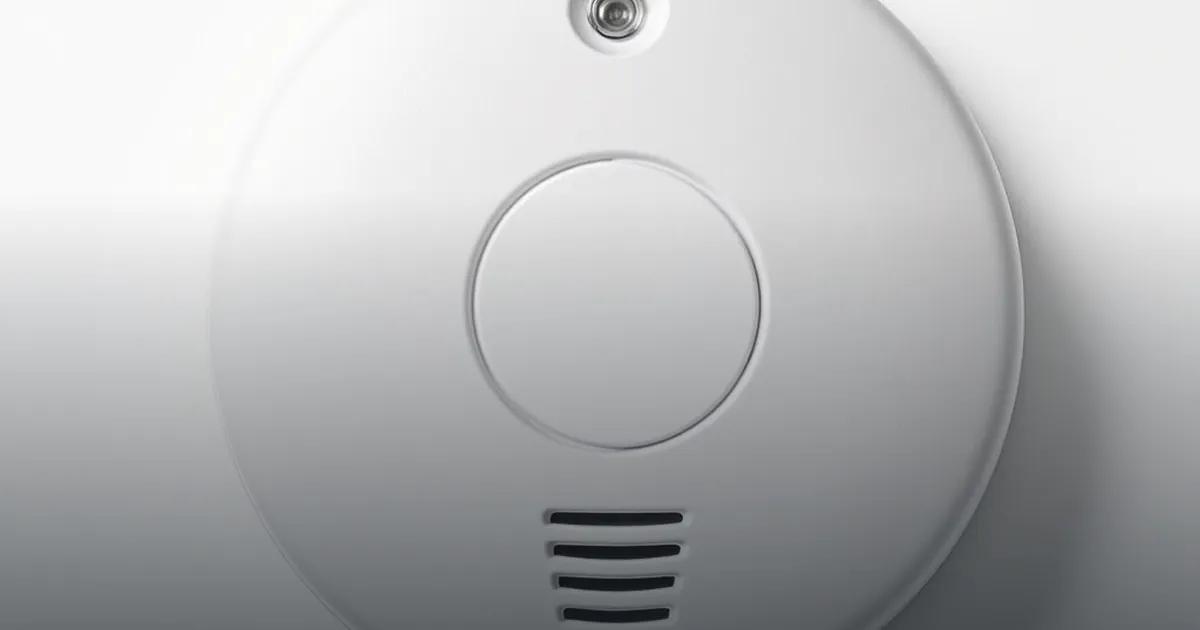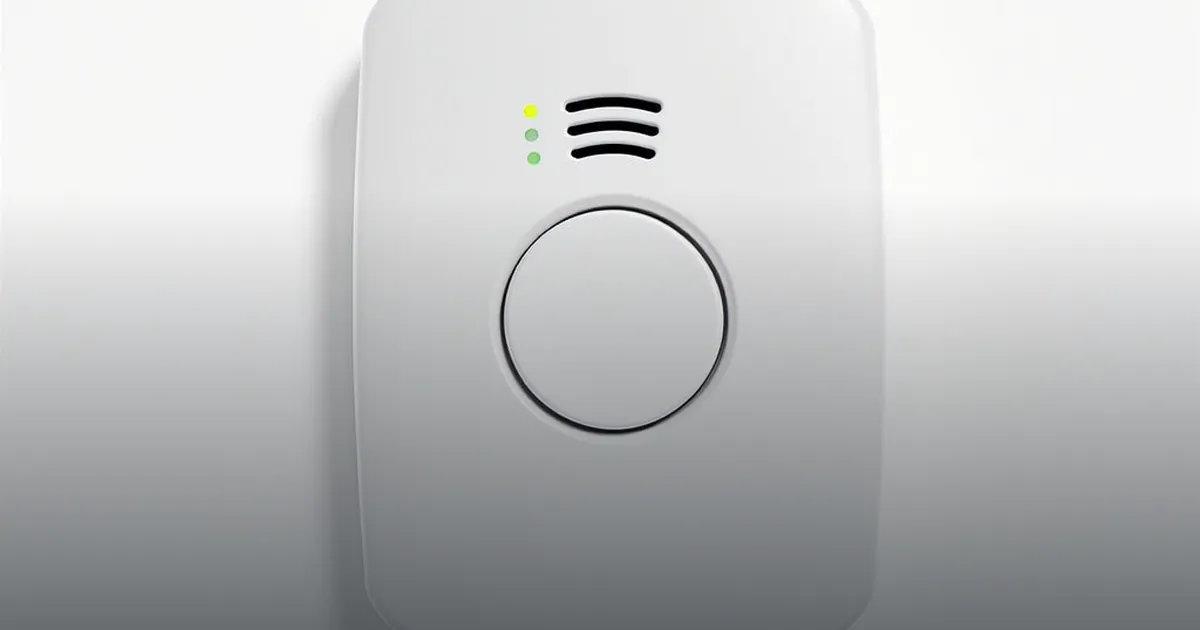
A Wi-Fi alarm looks identical to a battery one from the floor — same ceiling housing, same certified sensors, same 85-decibel horn. Everything it adds happens on your phone, and some of it genuinely changes outcomes. Some of it is convenience dressed as safety. Here is what the smart layer actually does, with real units from our range.
The core feature: the moment a sensor trips, your phone gets a push notification — wherever you are. At home asleep, the horn does the waking; the alert is backup. But for the hours nobody is home, the alert is the difference between a neighbor's vague "your alarm was going off sometime this afternoon" and a call to the fire department with a precise room while the fire is still small. CO is the sharper case: you cannot smell it, and a pet owner or a neighbor checking your place has no way to know it is there without an alert.
The dual-sensor Wi-Fi combo at $55 sends both smoke and CO alerts with the sensor type named, and the voice-alert Wi-Fi model at $40 adds spoken announcements at the unit itself.
A smart alarm reports on itself. Battery level, sensor status and Wi-Fi connection all show in the app, which retires the 3am low-battery chirp in favor of a daytime notification. The app also logs test history — useful in rentals, where the landlord's responsibility and the tenant's both become documented. Voice-assistant integration goes further: ask your speaker whether the alarms are okay, and the Alexa-compatible model at $90 answers in plain language.
Hardwired interconnection needs an electrician; Wi-Fi interconnection needs your network. When one smart alarm trips, every unit in the system sounds — the whole-house response that used to be a rewiring project becomes a pairing session. For homes that cannot open walls, this is the modern path to the code-standard network; the wireless and interconnected collection shows the non-Wi-Fi RF version of the same idea.
The sensor is the same. Detection speed, sensing technology and horn loudness are identical to the battery units — the smart layer starts after detection, not during it. Three honest limits: the alerts depend on your home network staying up (a router outage silences the phone layer, never the horn); the app wants an account and occasional firmware updates; and none of it replaces the monthly test-button press, because the horn and battery circuit still need a human. Our maintenance schedule applies to smart units word for word.
Garages and basements — the rooms you visit, not occupy — are where phone alerts earn their keep. So are vacation homes and rental units, where you are the responsible adult but rarely the resident. And any home with pets or overnight guests benefits from knowing about CO before a human walks back into it. For whole-home coverage on a budget, pair one Wi-Fi unit in the highest-risk room with battery combos everywhere else — the under-$50 collection makes that mix affordable.
The smart layer only earns its price if it survives contact with real households. Three setup rules: put the alarms on the 2.4GHz band (most smart alarms do not see 5GHz), name each unit by the room it protects — "Basement" beats "Smoke Alarm 3" at 2am — and add a second household member to the app so alerts reach whoever is closest, not whoever installed it. Check firmware once a season when you do the seasonal chamber check, and silence test notifications before you paint or cook a storm. The dual-sensor Wi-Fi combo walks the pairing in its manual; the whole setup is a fifteen-minute job per house.
A smart alarm knows one thing: whether its sensors tripped and whether you pressed the test button. It does not have a camera, a microphone or a location trail — the data profile is a timestamp and a sensor reading. If even that is more than you want on a vendor's servers, the RF-only wireless interconnect units deliver the whole-house network with zero app, zero account and zero data leaving the house. The safety physics are identical; only the notification layer changes.
Wi-Fi alarms add awareness after detection: phone alerts, self-checking sensors, spoken status and wiring-free interconnection. They do not change the physics of the sensor or the discipline of the monthly test. If those adds solve problems your house actually has, the Wi-Fi and smart collection runs from $40 to $95 — and the power comparison guide shows where they fit against the other two types.