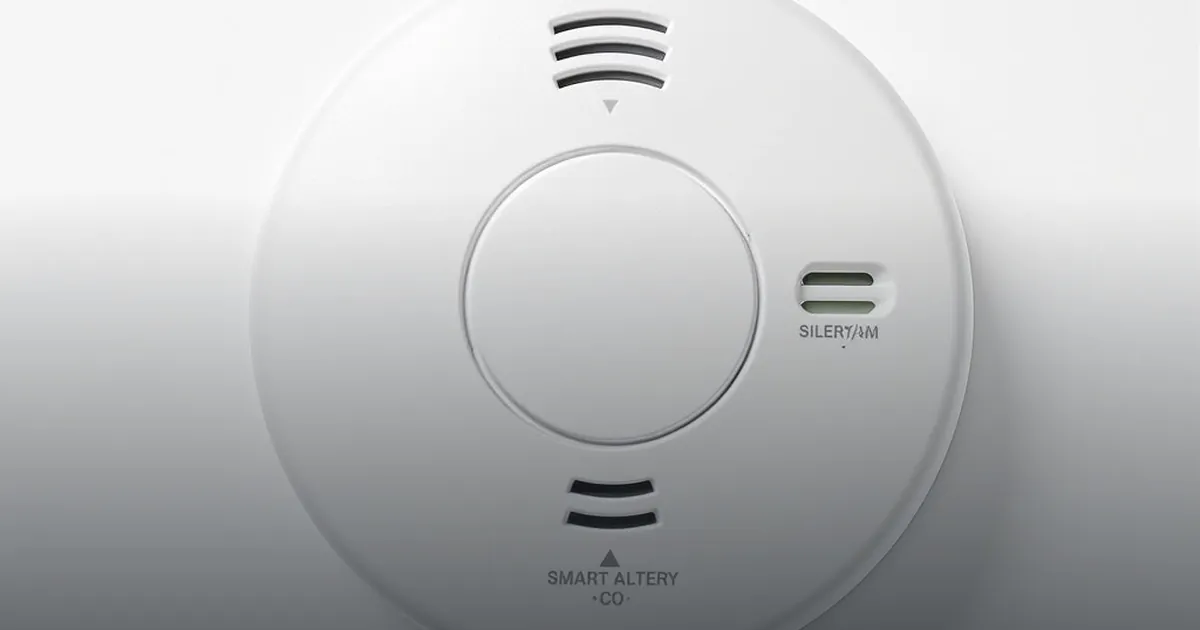
Every alarm on this site detects the same threats with the same certified sensors — what separates them is how they get power and how they talk to you. Battery, hardwired and Wi-Fi each win a different argument. Here are the honest trade-offs, with real units and real prices from our range.
A battery alarm needs no electrician, no drilling through joists and no landlord's permission — two screws and it is on the ceiling. That makes battery units the whole answer for rentals, apartments, finished ceilings and every room an older house never wired. They keep working through power outages, which is exactly when people light candles and run generators.
The trade-off is maintenance: batteries need replacing yearly unless you step up to a 10-year sealed lithium unit, and a chirping low-battery alarm at 3am is the classic reason silenced alarms exist. The battery smoke + CO combo at $40 and the $25 photoelectric smoke alarm cover the whole baseline. The under-$50 collection is battery country.
Hardwired units connect to your home's mains power with a battery backup — they never sleep, and they meet the code that new builds and major remodels require. They interconnect over physical wiring: when one trips, every hardwired unit in the house sounds. For a renovation, an addition, or a home you are bringing up to modern code, hardwired is the honest answer.
The trade-offs are installation and portability: an electrician or a confident DIYer with the breaker off does the install, and the unit stays with the house. The wired voice-alert combo at $89 announces the threat type out loud, and the photoelectric wired model at $65 covers the same ground with a 10-year sensor. The hardwired collection has the full set.
Wi-Fi units add a layer the other two cannot match: alerts that reach you when you are not home. A phone notification the moment the sensor trips means you know about the basement before the neighbor does — and you can call the fire department to a precise room instead of a vague address. Voice-assistant integration lets you ask whether the house is safe, and self-checking sensors report their own battery and status.
The trade-offs: they still need the same monthly test button press, they depend on your home network, and they cost more. The dual-sensor Wi-Fi combo at $55 is the entry point; the Alexa-compatible model at $90 adds voice-assistant checks. For wired homes that want both, the wired Wi-Fi combo at $95 is the flagship. The Wi-Fi and smart collection covers the range.
Hardwired combos on every level for the code baseline and the always-on guarantee. Battery combos in the bedrooms the wiring never reached. One Wi-Fi unit where you want the phone alert — the garage, the basement, the furnace room. The hybrid works because the three power types answer different problems, not competing ones. If budget forces one choice, start with battery combos everywhere — then upgrade the highest-risk room to Wi-Fi. Our smoke vs combo guide picks the sensor for each room.
Renters: battery units are your answer — no wiring, no permission slip, and they move with you. The battery combo at $40 covers a bedroom in ten minutes, and taking it when the lease ends is a feature, not a loophole. Landlords: hardwired units in common areas plus battery combos in each unit is the pattern that survives inspection, and Wi-Fi units in shared corridors document test history in the app — evidence beats memory at renewal. New builds and gut remodels have no choice: code requires hardwired interconnection, and the hardwired collection exists for exactly that inspection day.
Power failures are when alarm logic matters most: candles come out, generators run, space heaters migrate indoors. Battery units shrug at the blackout; hardwired units ride through on their backup cells; Wi-Fi units keep their horns but may lose the phone layer when the router dies. The honest read: any certified alarm beats no alarm during an outage, and the combo models matter most in that hour — a generator in an attached garage is the classic CO pathway into a sleeping house.
Battery for anywhere installation and outage-proofing, hardwired for always-on code compliance, Wi-Fi for alerts that follow you out the door. All three ship free, tax free, with mounting hardware in the box — and all three only work if you press the test button monthly, per the maintenance schedule.