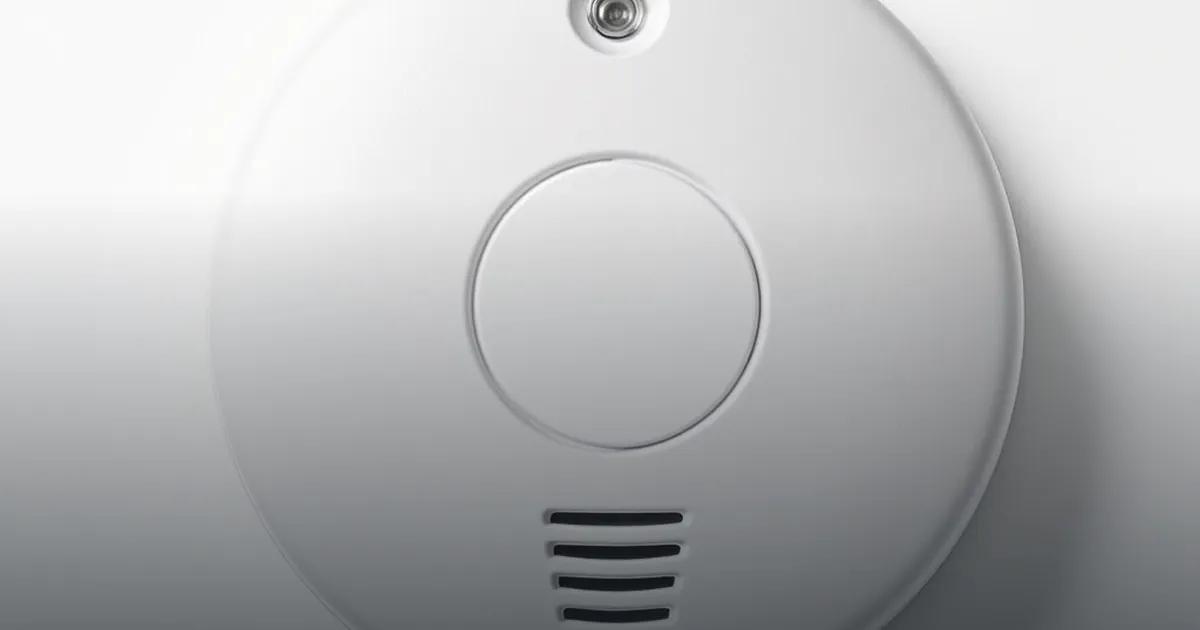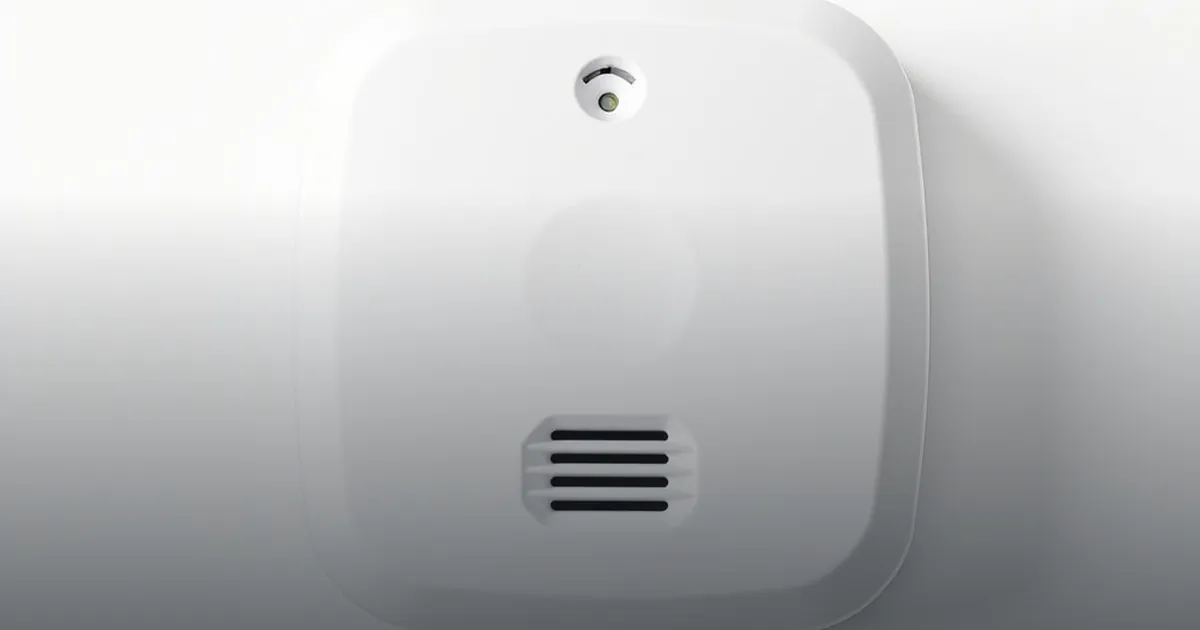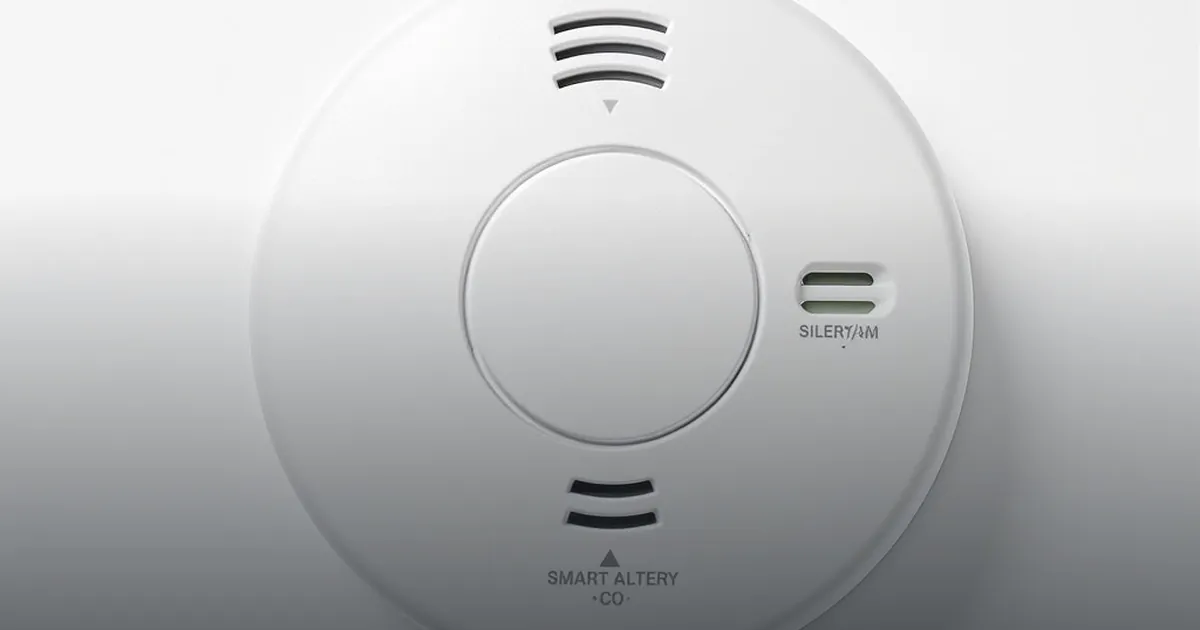
Every alarm in your house has one job: buy you the minutes to get out. The first decision on the path to that guarantee is the oldest one in home safety — a dedicated smoke alarm, or a combo unit that also watches for carbon monoxide. Both save lives; they just watch for different threats. Here is how to choose, room by room, with real units and real prices from our range.
A smoke alarm — photoelectric in every unit we stock — senses the particles of a smoldering or flaming fire in minutes or seconds. A carbon monoxide sensor uses an electrochemical cell that reacts to CO gas: the colorless, odorless byproduct of furnaces, gas ranges, water heaters and idling cars. The threats are unrelated, which is the whole point. A battery-powered smoke + CO combo covers both with one ceiling unit; a dedicated photoelectric smoke alarm does one job for $25.
Bedrooms: combo units. Fires and CO both kill at night, and sleeping areas are where codes now demand coverage. A compact battery combo at $35 mounts with two screws and no wiring.
Hallways outside sleeping areas: combo again — this is the escape-route alarm, and it should hear both threats.
Kitchen and adjacent rooms: here the calculus splits. Cooking smoke is the number-one cause of nuisance alarms, so a photoelectric smoke-only unit — which tolerates burnt toast far better than older ionization designs — belongs close to the kitchen. CO only becomes a kitchen question if you cook with gas; if you do, place a combo unit in the adjoining room rather than directly over the stove.
Rooms with fuel-burning appliances: furnace rooms, garages, and anywhere a water heater or fireplace lives need CO coverage. A combo unit or a dedicated CO alarm within 10 feet of the appliance.
Basements: combo. Basements hold the furnace, the laundry and the stored paint — the full threat board.
One housing, one installation, one battery to maintain, two threats covered. In a three-bedroom home the difference between seven dedicated alarms and four combo units is real money and a real afternoon. The smoke + CO combo collection runs from $35 to $95, and every unit pairs a photoelectric chamber with an electrochemical CO cell.
Kitchens and their hallways, where nuisance alarms are the enemy of any alarm (a silenced alarm is a disabled alarm). All-electric homes without any combustion appliance can also lean on dedicated smoke coverage plus one combo unit near the sleeping areas. The under-$50 collection is the natural starting point — certified protection from $25.
Battery combos install anywhere in minutes and keep working through outages. Hardwired combos — like the wired voice-alert model at $89 — never sleep, meet code for remodels, and add a battery backup for the grid-down hours. Wi-Fi combos add phone alerts: the dual-sensor Wi-Fi model at $55 pings your phone before the siren finishes its first cycle. The honest trade-offs are laid out in our power comparison guide.
Every alarm on this site carries a third-party certification mark — the small stamp that separates tested hardware from novelty imports. Certified units pass the same horn-loudness, smoke-entry and CO-concentration tests regardless of price, which is why the $25 photoelectric alarm detects as fast as units at four times the price. What the label does not promise is placement, power or maintenance — the three decisions that decide whether certification ever gets to matter. Check for the mark, then check the date stamp beside it: a certified alarm ten years past its date is a paperweight with a horn.
Most homes do not buy their alarms in one afternoon, and they do not need to. The pattern that works: combo units in the bedrooms first (the deadliest hours are asleep), the hallway combo second, kitchen-area smoke-only third, basement and garage last. Spreading the purchases across two paychecks still beats a house that waits for a perfect plan — and every unit we ship includes its mounting hardware, so each stage of the plan installs the day the box arrives.
Combo units in bedrooms, hallways and basements; dedicated photoelectric smoke alarms near the kitchen; CO coverage anywhere fuel burns. That mix covers every threat without crying wolf. For the placement distances and ceiling heights behind these rules, read the room-by-room placement guide — then browse the combo collection to cover both threats with one ceiling unit.